
Henry Dreyfuss, a notable industrial designer who quoted “when the point of contact between the product and people becomes a point of friction, then the industrial designer has failed” created works like The Measure of Man which helped construct principles that revolved around ergonomics (human-factors engineering).
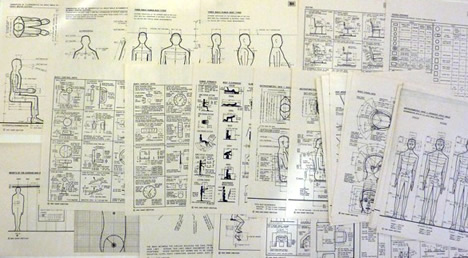
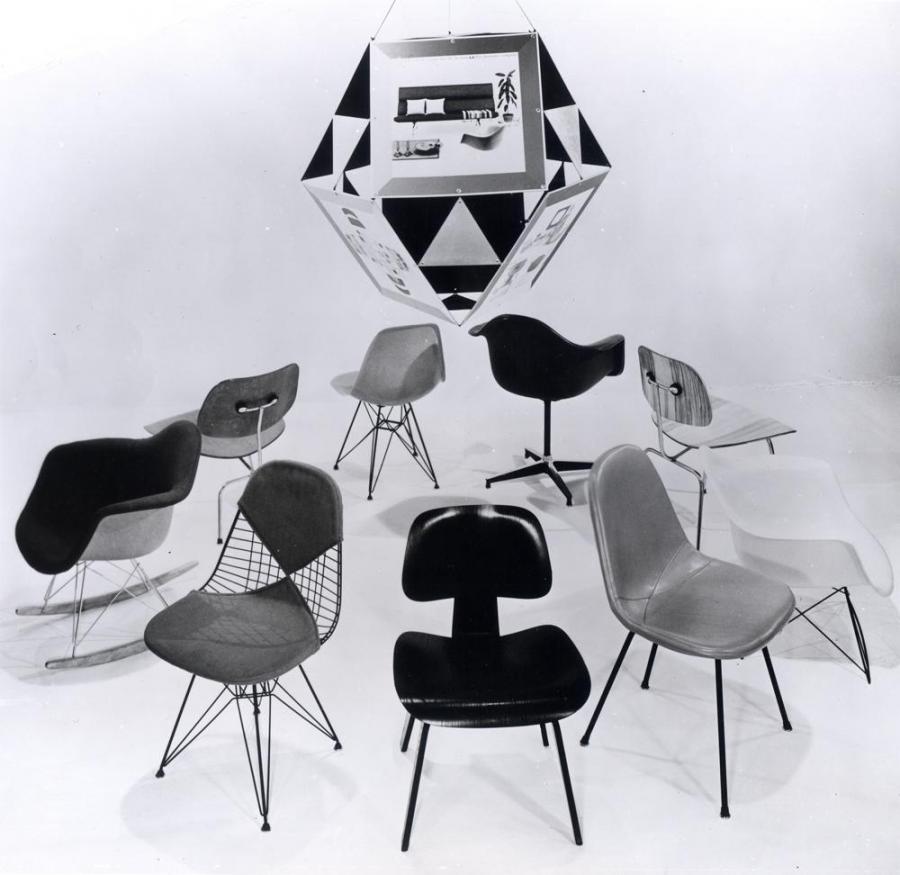
He also incorporated the importance of approaching every problem with the ambition of conducting lots of research and experimentation while being able to understand the roles of experts in other roles such as engineering, architect, colorist, and doctors to create desirable products; something that Charles and Ray Eames have also integrated with their Creative Process and producing the well-known lounge and dining chairs.
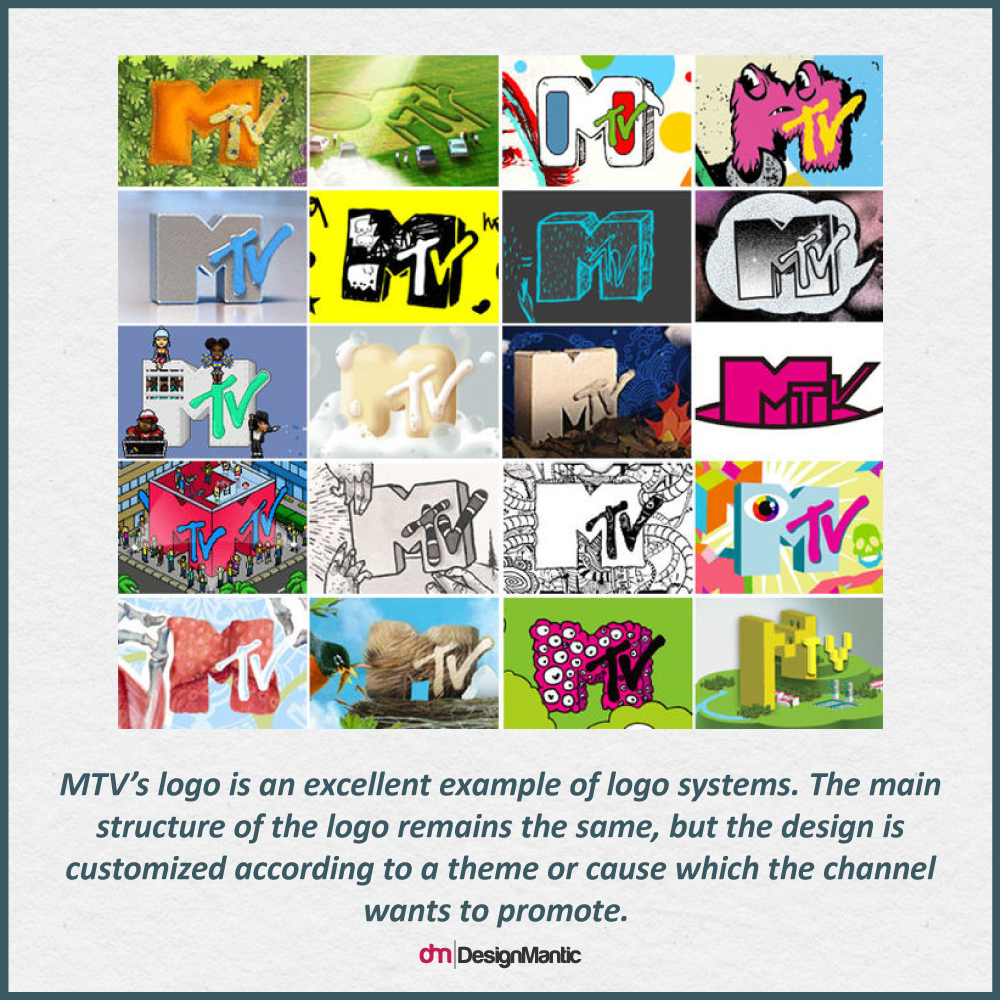
Karl Gerstner, a typographer and designer, helped form what is known as the flexible identity system that combined concepts of flexible grids, systematic designs, and integral typography to create corporate identities and logos; eventually leading into responsive website design.
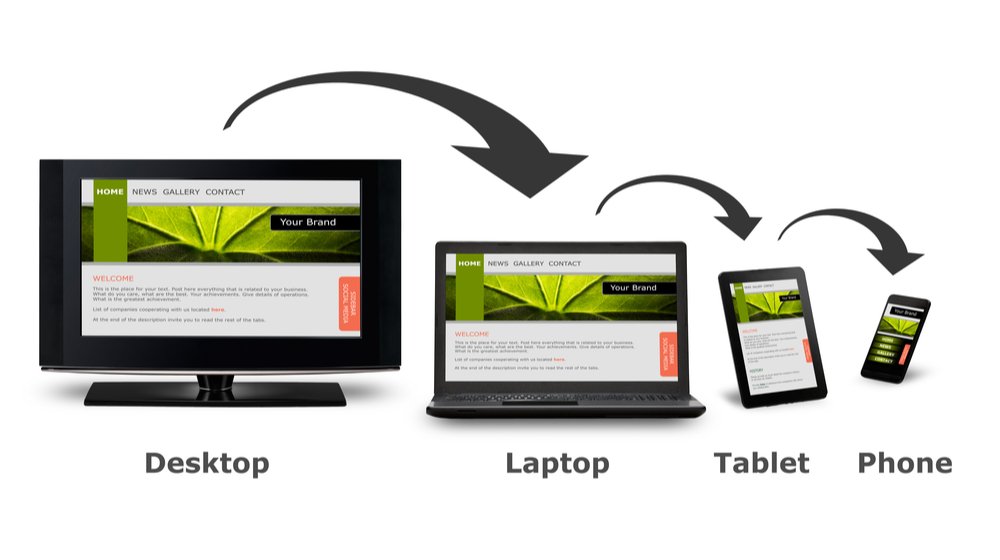
Ladislav Sutnar was a graphic designer who was known to “pioneer information design and information architecture” by making user- experience a priority. This would greatly reduce tension between users and something with a lot of information such as a catalog by organizing and controlling the visual flow of information through the use of design symbols, navigational signals, and color; increasing efficiency of the users’ eyes to analyze what they are seeing.
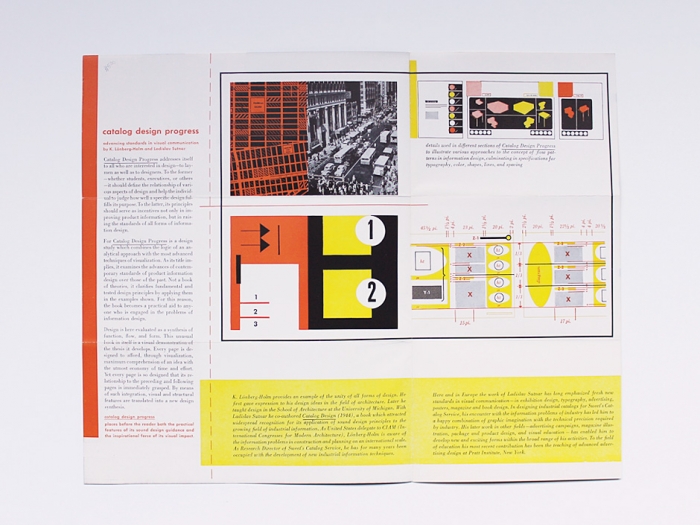
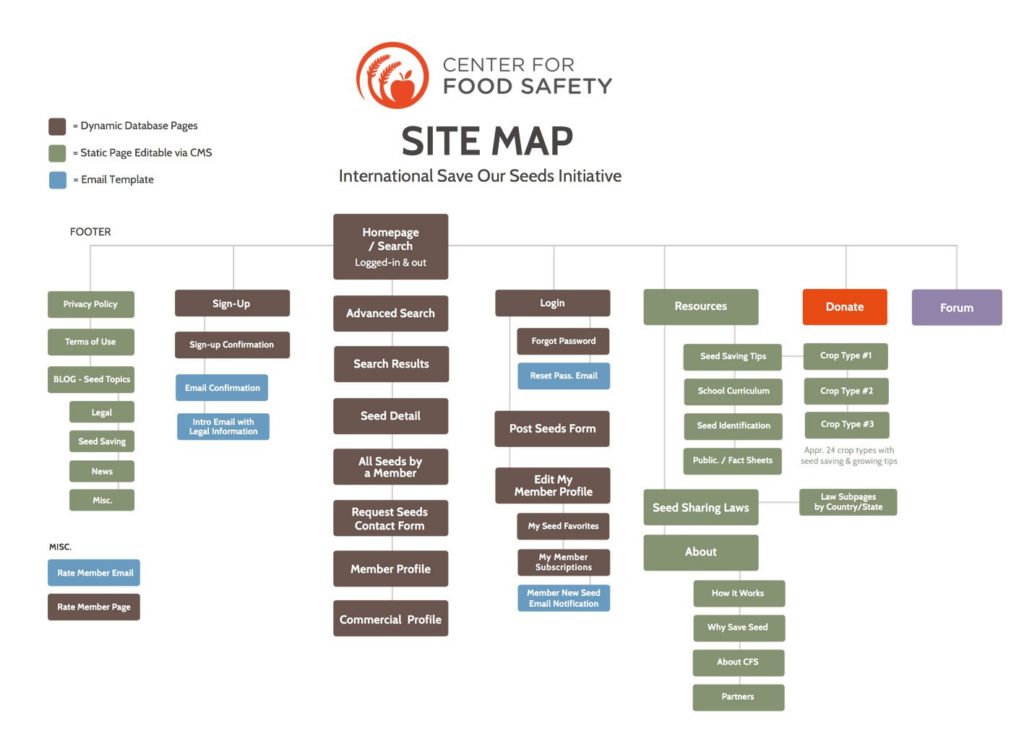
As you can see, the approach of infusing “user-centered design” opens up the outcome of design processes which include important factors of experiences, systems, services, and physical things; at the same time reducing the “friction” between the user and product as Dreyfuss states.


It’s interesting how your posting way matches your content “increasing efficiency of the users’ eyes to analyze what they are seeing.” Nice selection of images!
I really like your connection from the designer to the actual working process. The image gives me a better sense!